
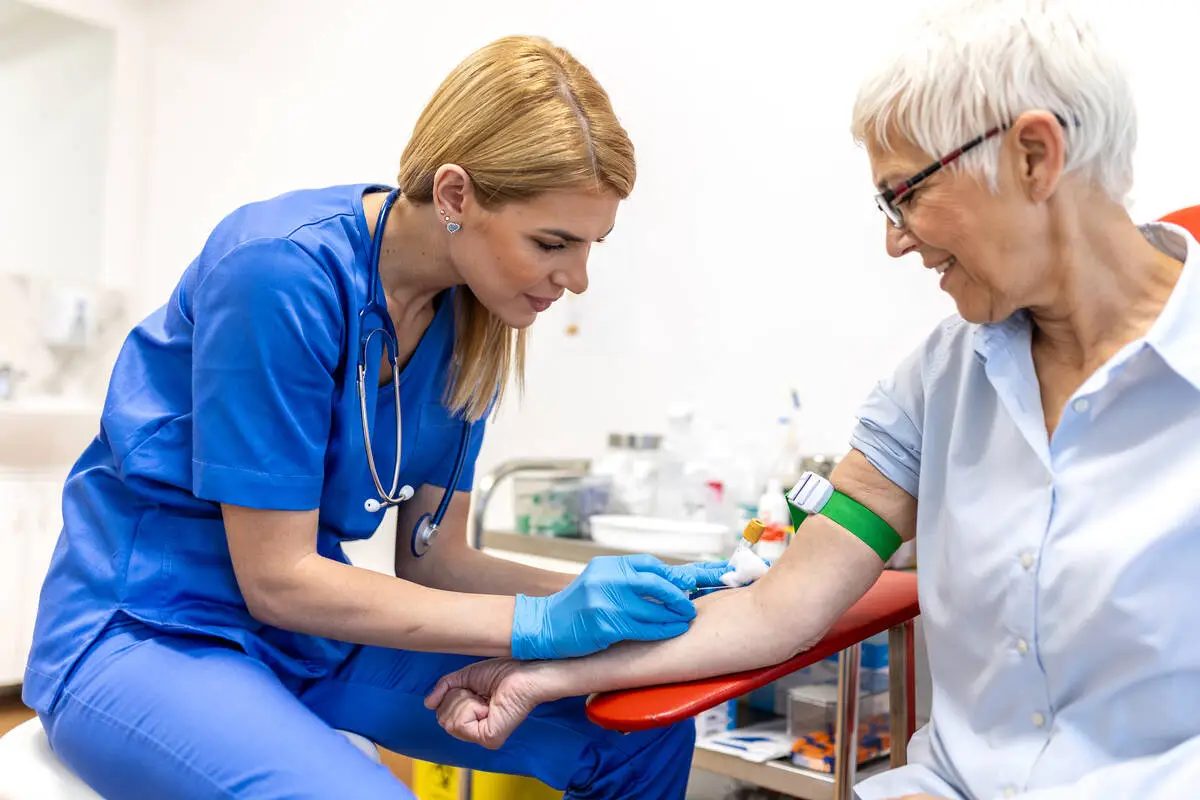
Roughly 27.6 million of the 40.1 million Americans with diabetes are unaware they have the condition, according to the Centers for Disease Control and Prevention. Undiagnosed diabetes can silently damage blood vessels and nerves, causing irreversible organ harm before symptoms appear. Dr. Kevin Pantalone, an endocrinologist and director of diabetes initiatives at the Cleveland Clinic, said most Type 2 patients are asymptomatic due to the disease's slow onset, and many have it for five years before diagnosis. "This is why screening for diabetes is so important," he said.
Diagnosis relies on blood tests measuring sugar levels. Pantalone noted diagnoses among people under 40 are rising, driven largely by obesity, which increases insulin resistance and makes blood sugar harder to control. He said habits contributing to obesity — poor diet and inactivity — directly raise risk. For those in their 20s and 30s, the most powerful prevention is maintaining physical activity and following general nutrition guidelines. "While one can't change their genetics and may not be able to change their environment, one can try to lead a healthy lifestyle," Pantalone said.
Risk increases drastically after age 45, making screening in the 40s critical. Women who had gestational diabetes during pregnancy face a higher likelihood of developing Type 2 diabetes later and should be screened in their 40s. Metabolism often slows after 40, making weight gain easier, so a nutrient-rich diet and regular exercise become especially important.
Menopause brings hormonal changes, particularly lower estrogen, often accompanied by weight gain and a shift toward more fat mass and less muscle mass, which can increase diabetes risk. Pantalone said mitigation again comes back to healthy habits, including diet and exercise.
Sources: Las Vegas Review-Journal
Original reporting: Las Vegas Review-Journal →



 English (US)·