
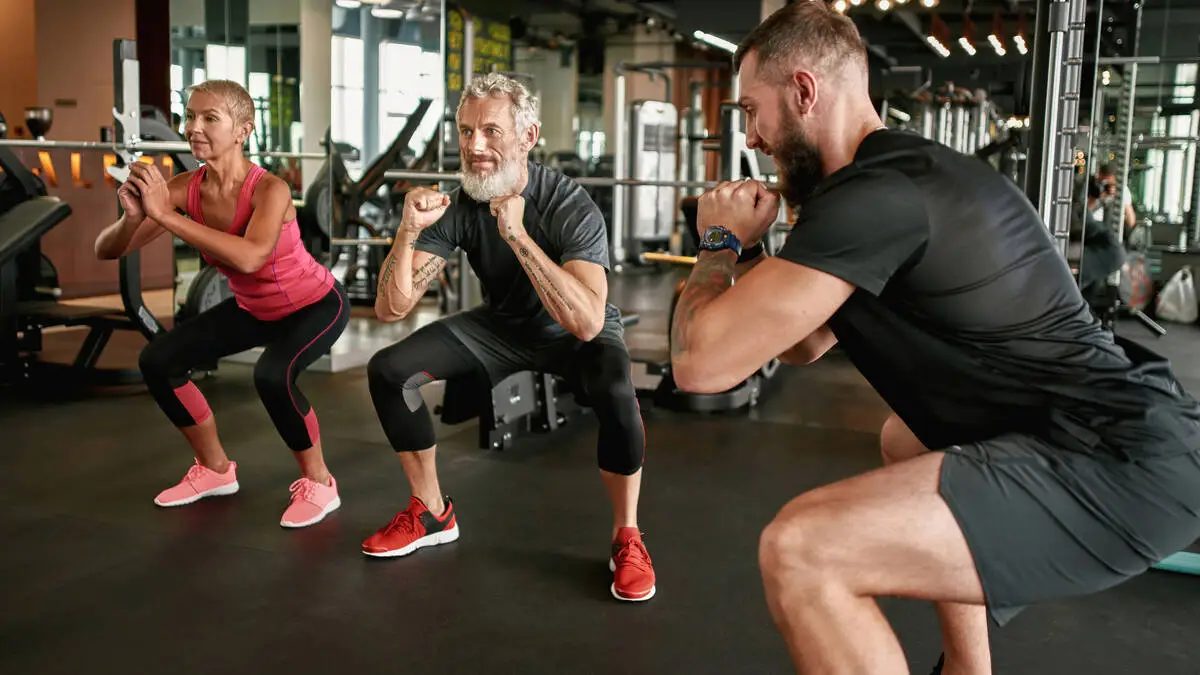
Medical experts say the most important part of any fitness routine is consistency, whether that means high-intensity workouts or gentler movement like yoga. "Exercise is medicine. It is highly underestimated, yet one of the most effective tools for staying independent and mobile as we age, minimizing risks for various chronic diseases, therefore improving quality of life," said Dr. Veena Chawla, an internal medicine and sports medicine physician with Kaiser Permanente in Virginia. Dr. Faith D. Atai, a geriatrician with UTHealth Houston, added that regular exercise can decrease the incidence or slow the worsening of chronic diseases and increase longevity.
Seven experts — five doctors and two personal trainers — agreed that an ideal routine for aging combines aerobic activity with strength training. Dr. Stephanie Rogers, a geriatrician and professor of medicine at the University of California, San Francisco, explained that the body naturally loses muscle and bone density with age. "As we age, falling hormone levels, low-grade inflammation, aging cells, moving less and not eating enough protein all push our bodies to break down muscle and bone faster than we rebuild them. Because muscle and bone work as a team, losing one speeds the loss of the other, but staying active and lifting weights can help protect both," she said.
All seven experts identified the squat as the single most beneficial strength move for aging well. Squats can be performed with weights or body weight depending on fitness level, and they strengthen the entire body while improving joint flexibility in the hips, knees and ankles. Research cited by the experts shows that regularly doing squats helps older adults preserve the strength needed for everyday activities and physical independence.
Strength training also carries longevity benefits. "Research suggests that people who engage in any amount of strength training have a lower risk of dying from all causes, including cancer and heart disease, compared with people who don't strength train at all," said Dr. Simran Malhotra, founder of Wellness By LifestyleMD in Maryland. Dr. Nneoma Oparaji, a Texas-based doctor of internal medicine, noted that research associates strength training with improved blood pressure, insulin sensitivity and body composition.
Sources: Las Vegas Review-Journal
Original reporting: Las Vegas Review-Journal →


 English (US)·