
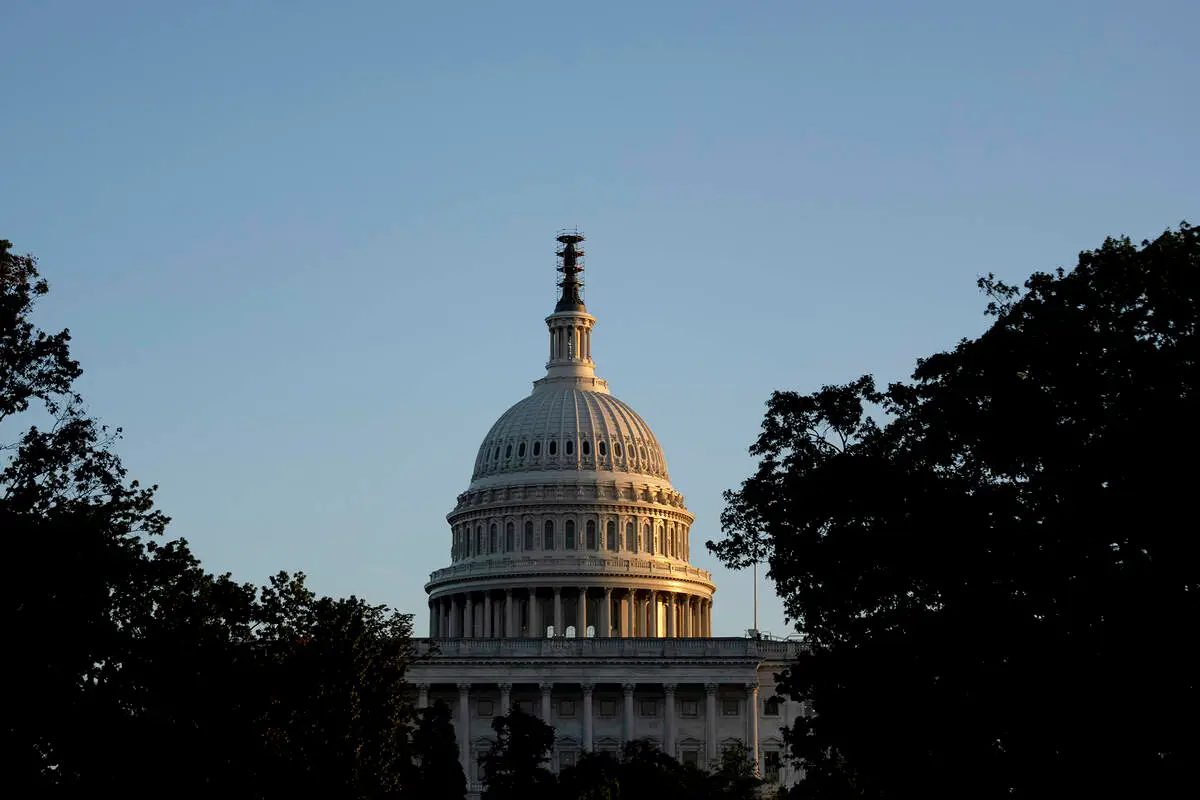
Syndicated columnist Jonah Goldberg writes that Congress has declined into a body that functions more like a parliament than the deliberative institution the founders designed, with members voting in lockstep with party leaders rather than exercising independent judgment.
Goldberg traces the shift to the 1970s, when young Democratic reformers — known as "Watergate babies" — sought to wrest power from conservative committee barons who controlled the legislative process through the seniority system. While the reformers aimed to empower rank-and-file members, the changes instead encouraged the centralization of authority in party leadership.
That centralization became bipartisan in 1994 when then-Rep. Newt Gingrich led the Republican Revolution and embraced unified party control of the legislative agenda. Under both Republican and Democratic majorities since, power has concentrated in the offices of the House speaker and Senate majority leader, who negotiate agendas with the president when their party holds the White House or craft them independently when it does not.
The result, Goldberg argues, is that rank-and-file lawmakers have lost the ability to influence legislation. The old "regular order" of committee debate and amendment has been replaced by a process where members are often presented with finished bills, given little time to read them, and barred from offering changes. In 2025, 84 percent of measures reaching the House floor were closed to amendment by the Rules Committee, which the speaker controls.
Even conference committees — traditionally used to reconcile House and Senate versions of bills — have been sidelined. Goldberg notes that while 38 bills went through conference committees in the 106th Congress (1999-2000), the practice has sharply declined over the following two decades.
Sources: Las Vegas Review-Journal
Original reporting: Las Vegas Review-Journal →
 English (US)·