
Chronic inflammation, driven by factors such as stress, poor sleep, smoking, alcohol and an imbalanced gut microbiome, is linked to conditions ranging from acne and fatigue to heart disease, cancer and cognitive decline, local dietitians explain. While acute inflammation protects the body, persistent inflammatory signals without an active threat can cause harm over time.
Diet plays a central role in regulating the immune system and supporting a healthy gut, both of which reduce inflammation, says Maria Emerick, a registered dietitian and founder of Homegrown Nutrition. She recommends fiber-rich foods — whole fruits, vegetables, whole grains and legumes — which are scientifically linked to lower inflammation and reduced risk of Type 2 diabetes, cardiovascular disease and cancer.
Registered dietitian Emily Van Eck adds that foods high in omega-3 fatty acids and antioxidants also help. Good sources of omega-3s include fish, olive oil, nuts and seeds, while plant-based foods high in fiber also supply antioxidants.
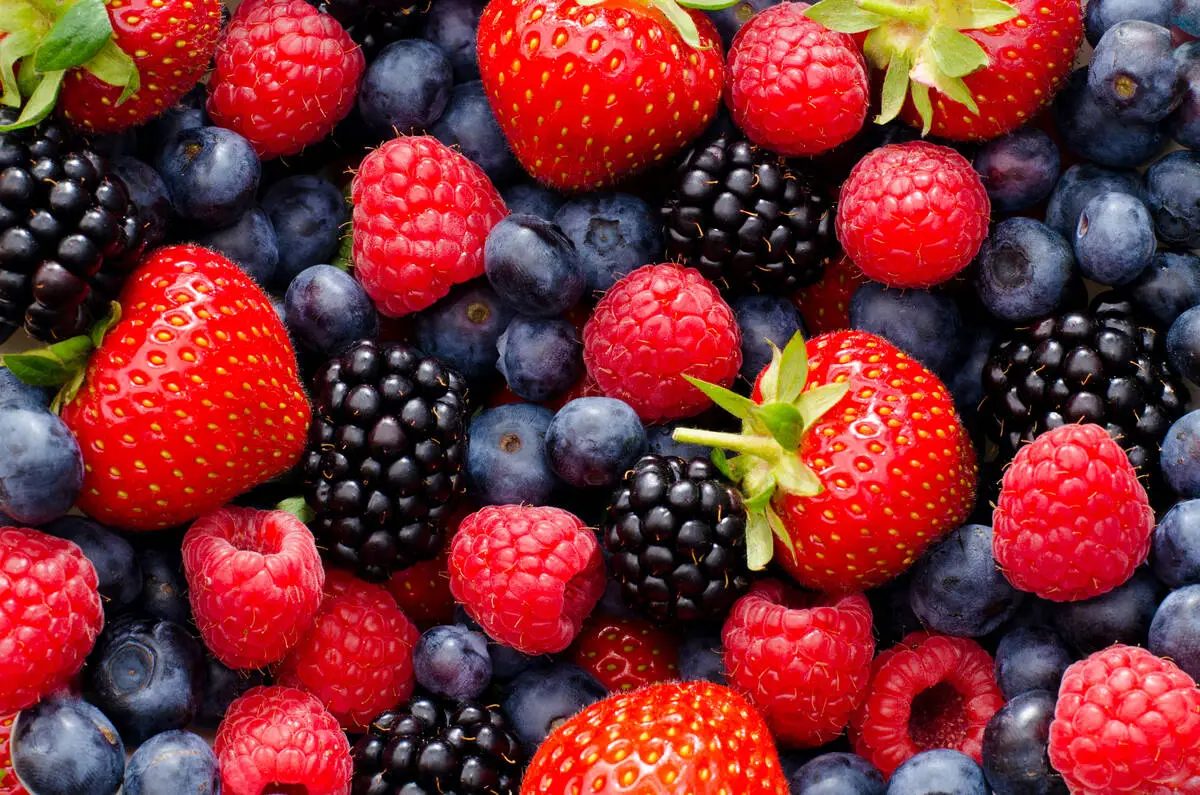
Sara Riehm, a registered dietitian, defines an anti-inflammatory food as one with a high concentration of an antioxidative nutrient, citing broccoli’s vitamin C as an example. Both Riehm and Van Eck offer a simple visual cue: look for deep, rich color. “The polyphenols that help to give plants their colors are bioactive compounds that act as antioxidants in the body,” Riehm says, noting this applies to everything from grains to grapes.
Conversely, diets high in calories, processed foods and unhealthy fats can disrupt normal fat tissue function and increase production of inflammatory substances, Emerick warns.
Sources: Las Vegas Review-Journal
Original reporting: Las Vegas Review-Journal →


 English (US)·