Prosecutors allege that longtime defense attorney Dean Kajioka submitted a brief largely generated by artificial intelligence, which included fabricated citations. Chief Deputy District Attorney Eckley Keach filed a request for sanctions against Kajioka, who has been licensed to practice law in Nevada since 1993.
Kajioka denied the accusation in a brief interview on Monday, stating, “I never use AI. I don’t even know how to use AI.” Keach said he expected that response.
In court documents Keach wrote, “Should Defense counsel assume the position that he did not use AI to write his brief, then by virtue of his denial, he is admitting to inserting a blatantly false citation into his reply in violation of the Nevada Rules of Professional Conduct.”
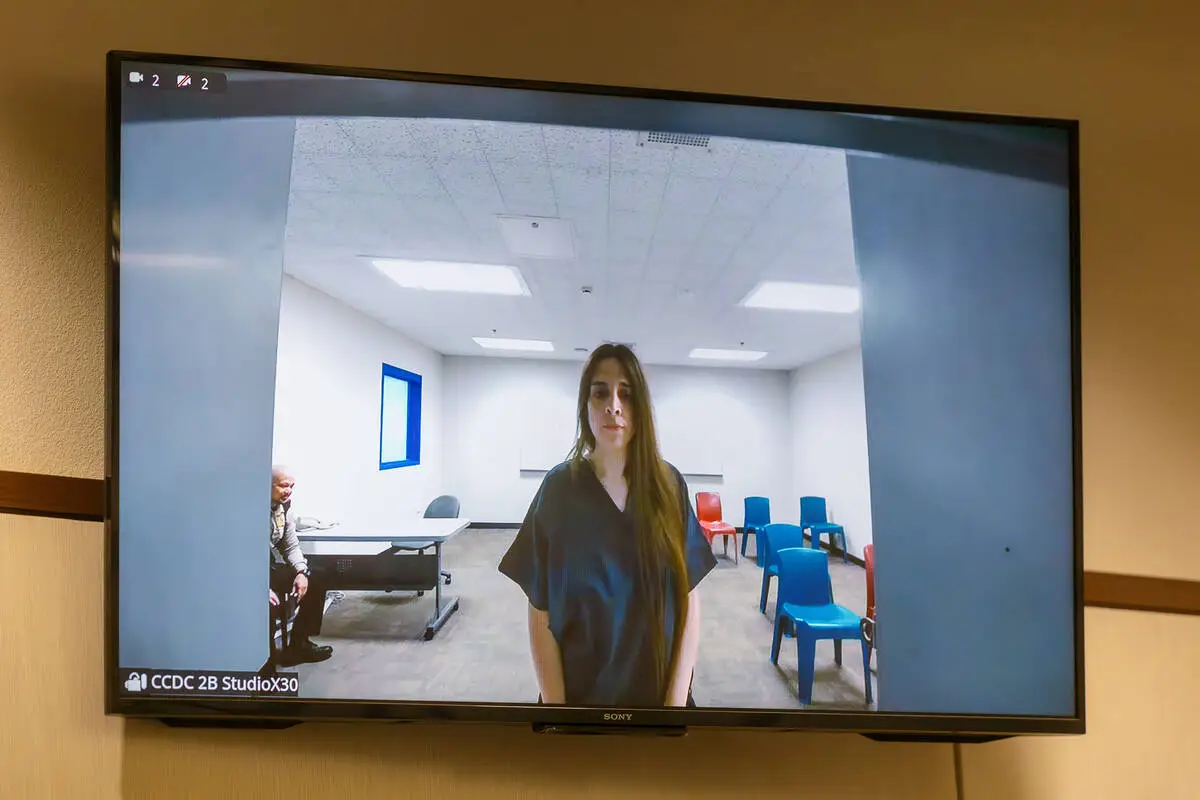
The matter arises from a November explosion at Piero’s Italian Cuisine, a landmark near the Las Vegas Strip that appeared in Martin Scorsese’s 1995 film “Casino.” Kajioka’s client, Robert Schwieger, 53, was arrested in April and faces charges of conspiracy to commit first‑degree arson, first‑degree arson, and using explosives to damage, destroy, attempt, or conspire to harm or destroy property. Schwieger is among several defendants accused of participating in the pipe bombing of the restaurant, which caused only damage to the entrance.
Chief Deputy District Attorney Michael Schwartzer previously told the court that the explosive device could have “burned Piero’s to the ground” had it been configured differently.
Kajioka filed a petition for a writ of habeas corpus on June 22 seeking dismissal of the indictment. Prosecutors opposed the petition on July 7. On the following Friday, Kajioka submitted a reply to the prosecutors’ opposition.
Keach noted that the reply’s style, coding, and formatting differed markedly from Kajioka’s original petition. He observed a shift from inline citations and simple page references to the “Grand Jury Tr.” to footnote citations and page‑and‑line references to the Grand Jury Transcript abbreviated as (GJT).
Those discrepancies prompted prosecutors to scrutinize the citations. Keach said, “Almost immediately, the State identified a hallucinated citation to a non‑existent case: ‘Evans v. State, 123 Nev. 117, 159 P.3d 438 (2007).’ Defendant referenced this citation multiple times, including providing alleged commentary by the Nevada Supreme Court from the nonexistent case.”
He added that searches of Westlaw and Google failed to locate the case, although he acknowledged that other Evans v. State decisions exist from years besides 2007. Keach did not specify particular sanctions, saying he would leave the decision to District Judge Monica Trujillo, who is presiding over the case.
Keach emphasized the broader implications, stating, “As technology improves, and AI hallucinated cases become harder to detect, it is imperative that this Court address such ethical violations quickly and decisively to deter future and more rampant fraud from being perpetuated on the Courts.”
 Sincity Press Staff
3 hours ago 3 min read
2
Sincity Press Staff
3 hours ago 3 min read
2 



 English (US)·