The Singapore Grand Prix has been declared a heat‑hazard race, the second time the designation has been used in Formula 1 and the fourth such declaration this year.
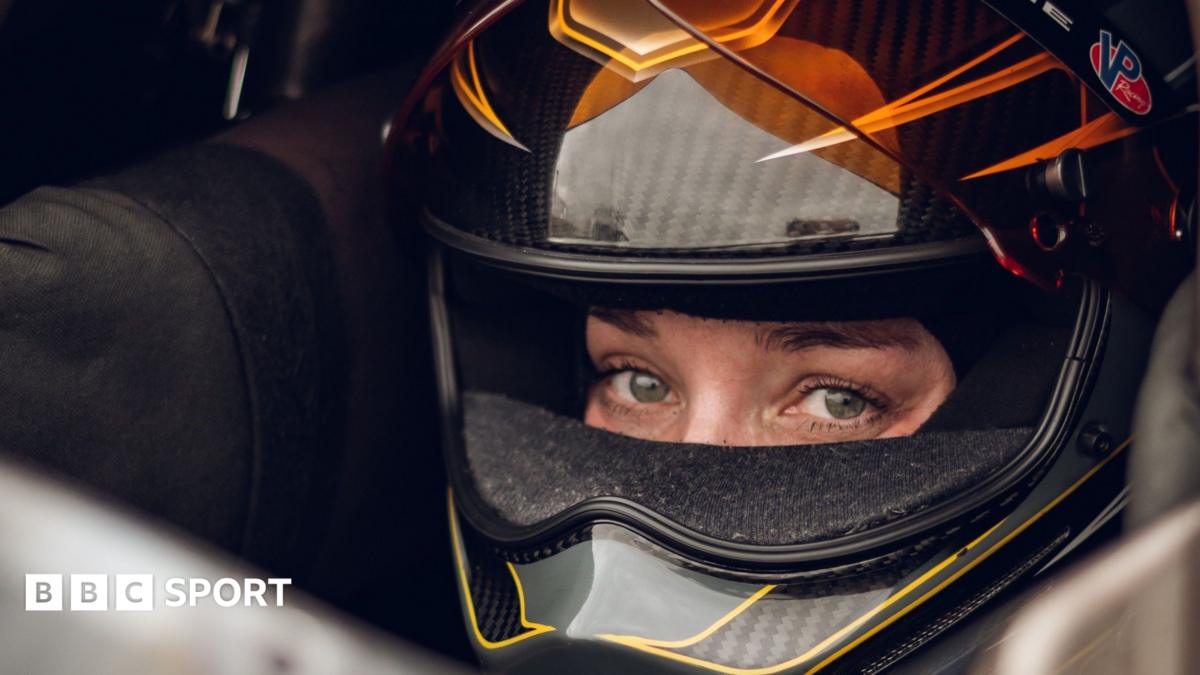
The status permits teams to install cooling devices that circulate liquid through a vest worn by the driver to manage cockpit temperatures.
A heat‑hazard is an official FIA designation for an event forecast to see temperatures exceed 31 °C at any point during the race. The rule was introduced in 2025.
Singapore’s proximity to the equator makes it one of the most physically demanding venues for drivers. In 2024, Mercedes drivers George Russell and Lewis Hamilton were treated for heat exhaustion after the race.
Ambient temperatures in the city typically range from 31 °C to 33 °C throughout the weekend, accompanied by high humidity and a daily chance of rain. Although the race is run at night, readings remain near 30 °C shortly after dark.
Use of a cooling kit is optional; drivers who decline must add 5 kg of ballast to their car to avoid gaining a competitive edge.
The system comprises a cooling vessel and pump, usually located in the nose, that delivers a chilled fluid—often glycol—through pipes in a fire‑proof top worn beneath the overalls.
Some teams and drivers avoid the setup because of two trade‑offs. Maintaining the fluid at a low temperature for the duration of a Grand Prix is difficult, a challenge amplified in Singapore, which hosts the longest race on the calendar. Additionally, several drivers find the top uncomfortable in the cramped cockpit.
If the liquid warms to car temperature, it can far exceed ambient levels; cockpit readings frequently surpass 40 °C.
Mercedes has opted not to employ the system, preferring to direct the resources required to make it durable enough for a full race toward outright performance improvements.
Under the cost cap, the FIA offers a $50,000 (£38,000) allowance to teams that develop a system keeping the liquid cool for an entire Grand Prix, with an additional $75,000 (£57,000) available for those who can also make the top comfortable.
Mercedes deputy team principal Bradley Lord described the allowance as “small”, adding: “We didn't think that allowance was enough for us to be able to make a solution that would be robust enough to last for the full race.”
Singapore follows the Austrian, Italian and last weekend’s Bahrain Grand Prix in Malaysia as the fourth heat‑hazard race declared this season.
Read the full story at BBC News →
 1 hour ago 2 min read
1
1 hour ago 2 min read
1 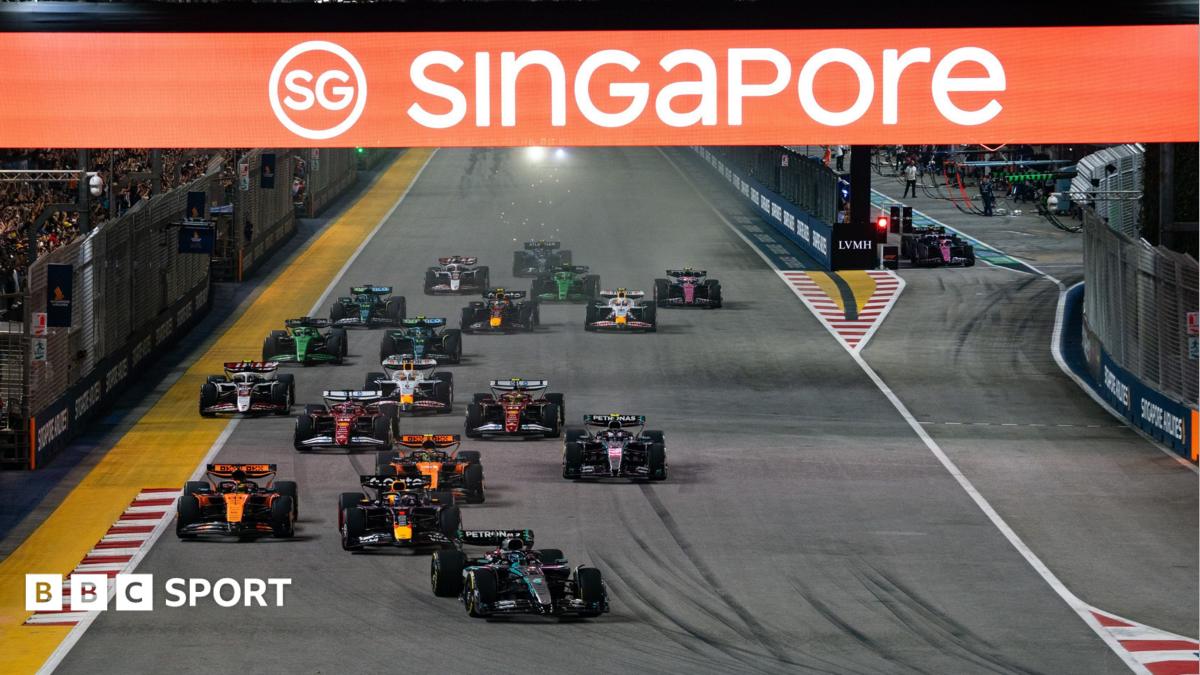





 English (US)·