
A former Washington state resident who moved to Las Vegas to escape high taxes says he found the same tax architecture in Nevada, just with a smaller appetite for spending. Writing in the Las Vegas Review-Journal, the self-described "tax refugee" notes both states lack an income tax and instead rely on gross receipts taxes on businesses — Washington's business and occupation tax and Nevada's commerce tax — as well as payroll taxes and a variety of excises and fees.
The author identifies three key differences keeping Nevada's costs lower: a $4 million revenue threshold that exempts most small businesses from the commerce tax, tourism taxes paid by 40 million annual visitors, and a state general fund of about $5 billion compared to Washington's $40 billion annual operating budget. He emphasizes that none of these advantages are guaranteed by law; each is a political choice that can be reversed.
Citing Washington's B&O tax, enacted as a temporary Depression-era measure in 1933 and now the pillar of an $80 billion biennial budget, the writer warns that fiscal appetite is a "government disease" not limited to one party. He notes Nevada's commerce tax was created in 2015 and signed by a Republican governor over his party's objections.
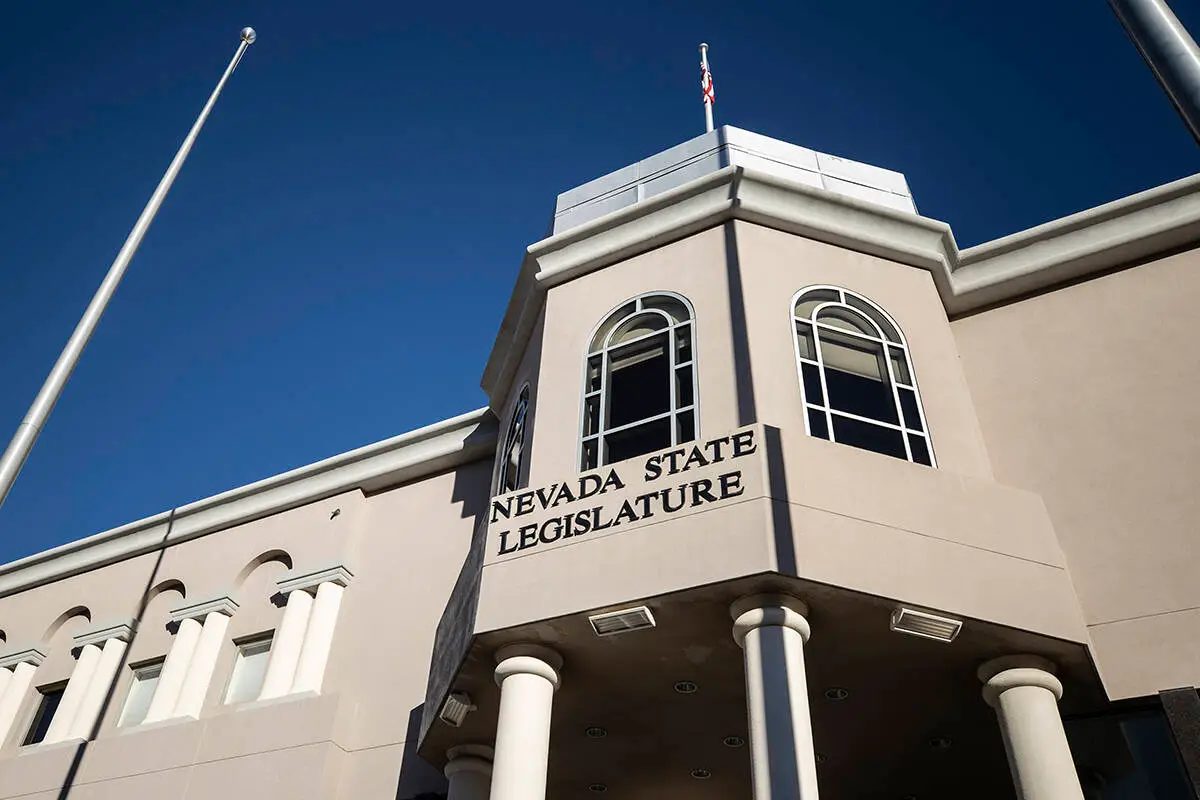
The machinery for a Washington-style tax state is already installed in Nevada, the column concludes. The gross receipts tax, payroll tax, and excises exist, and their thresholds can be lowered or rates raised incrementally. All that stands between Nevada and Washington's cost of living is the spending restraint of officials in Carson City, which the author calls the first casualty of a budget shortfall or a governor's legacy project.
Sources: Las Vegas Review-Journal
Original reporting: Las Vegas Review-Journal →



 English (US)·