
Israel Q1 2026 GDP contracts 3.3% as Iran war weighs on economy
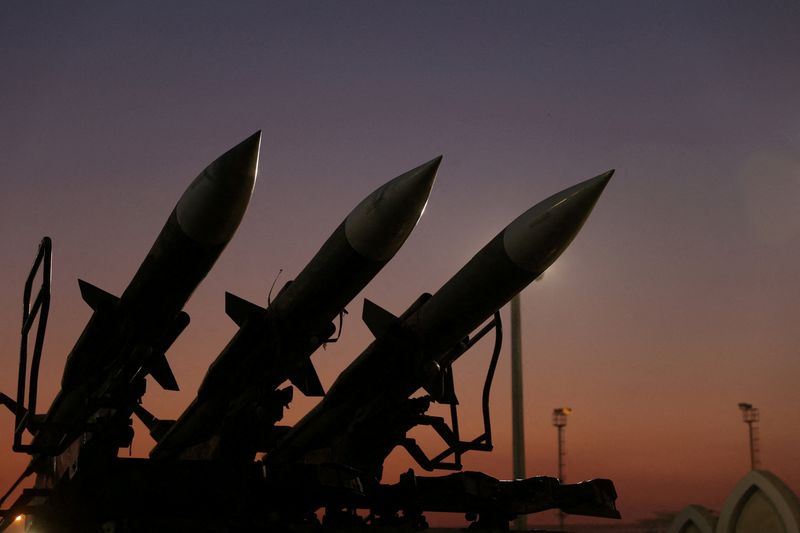
Israel's economy has taken a significant hit in the first quarter of 2026, with a 3.3% contraction in GDP, according to official data released today. This decline marks a sharp reversal from the 2.1% growth rate recorded in the same period last year, and is largely attributed to the ongoing conflict with Iran. The war, which has been raging for over a year, has had a devastating impact on Israel's economy, with trade disruptions, inflation, and a decline in consumer spending all taking a toll.
The conflict with Iran has been a major concern for Israel's economy for some time, and the latest GDP figures are a stark reminder of the costs of this ongoing crisis. Israel's economy has historically been one of the most resilient in the region, but the war with Iran has put significant pressure on the country's finances. The conflict has disrupted trade with key partners, including the United States, and has led to a significant increase in military spending. This has had a knock-on effect on the wider economy, with inflation rising to its highest level in over a decade.
The contraction in Israel's GDP is a significant concern for policymakers, who will be looking to implement measures to stimulate growth and mitigate the impact of the war. The Israeli government has already announced a series of measures aimed at supporting businesses and households affected by the conflict, including tax cuts and increased investment in key sectors. However, the scale of the challenge facing policymakers is significant, and it remains to be seen whether these measures will be enough to reverse the decline in Israel's economy.
The implications of this economic contraction are far-reaching, not just for Israel but also for the wider region. The conflict with Iran has already had a significant impact on the global economy, with oil prices rising sharply in response to the conflict. A decline in Israel's economy could also have a knock-on effect on other countries in the region, including key trading partners such as the United States and the European Union. As the situation in the Middle East continues to unfold, it remains to be seen how this economic contraction will affect the region as a whole.



 English (US)·